
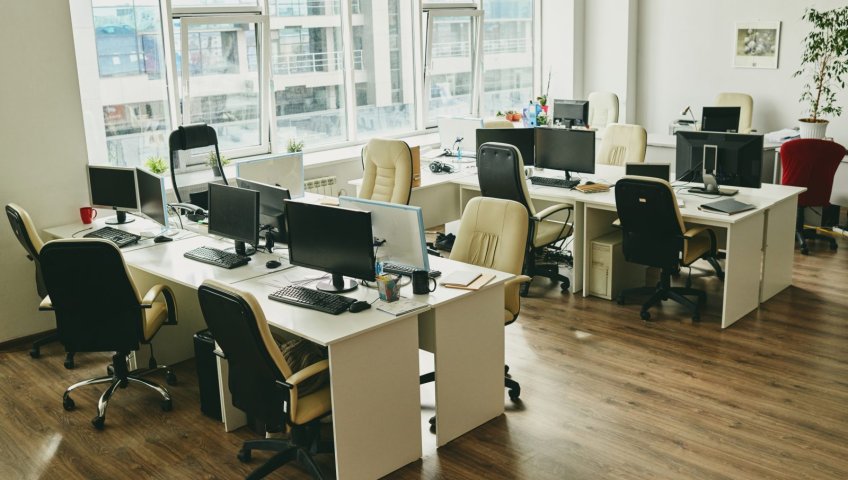
Quick Summary
Clearing desk surfaces, sorting paperwork into a filing system, and managing cables address the most common sources of office clutter. Vertical storage and designated zones for different tasks make small workspaces function better without added furniture. Pairing organization habits with regular cleaning keeps a workspace genuinely functional, not just surface-tidy.
A cluttered desk pulls attention away from the task at hand more than people realize. Papers pile up, cables tangle, and supplies scatter across surfaces instead of staying in a designated spot.
Organization ideas office workers can put into practice don’t require a full renovation or a trip to a specialty store. Small, consistent changes to layout and storage make a noticeable difference in how a workspace functions day to day.
Organization Ideas Office Spaces Need
Much office organization advice focuses on aesthetics over function, leaving people with a workspace that looks tidy in photos but doesn’t hold up during a busy week. The ideas that stick address how a space gets used, not just how it looks when nobody’s working in it. A home office used by one person needs different solutions than a shared workspace used by a team throughout the day.
Bringing in organization services often starts with assessing daily habits before adding storage solutions. A system customized to how someone works lasts longer than one designed purely for looks.
1. Clear The Desk Surface First
A desk covered in papers, cables, and miscellaneous items makes it hard to focus on the task in front of you. Clearing the surface down to the basics gives the workspace room to breathe. Everything else gets a home elsewhere, whether that’s a drawer, a shelf, or a nearby storage bin.
2. Sort Paperwork Into A Filing System
Paper clutter builds up faster in an office than almost anywhere else, between invoices, contracts, notes, and mail. A simple filing system, even a small set of labeled folders, gives paperwork a home instead of letting it pile into stacks. Sorting through this weekly rather than monthly keeps the volume manageable and prevents important documents from getting buried.
3. Manage Cables And Cords
Cables from monitors, chargers, and peripherals create a tangled mess under and around most desks. Cable clips, a cord tray mounted under a desk, or a simple labeling system for each cord can significantly reduce this clutter. A cleaner setup underneath a desk also makes it easier to clean the floor and surrounding area without navigating a maze of cords.
4. Use Vertical Storage For Small Items
Desk surfaces fill up fast, but wall space above and around a desk often goes unused. Shelves, pegboards, or wall-mounted organizers give small items, pens, sticky notes, and chargers a home without taking up valuable desk real estate. This approach works particularly well in smaller offices or home workspaces with limited square footage.
A few vertical storage ideas worth trying:
Wall-mounted shelves: Hold books, binders, or decorative items above desk level
Pegboards: Organize frequently used tools, cables, or supplies within easy reach
Hanging file organizers: Keep active projects visible without cluttering a desk surface
Floating storage cubes: Add extra space for supplies without a bulky cabinet
Corkboards or magnetic boards: Display notes and reminders without paper piling on a desk
5. Designate Zones For Different Tasks
An office that handles multiple types of work, computer tasks, phone calls, and physical paperwork benefits from dividing the space into zones. One area for active work, another for supplies, and a separate spot for reference materials keeps everything organized by function. This structure makes it easier to locate items quickly without searching through unrelated piles.
6. Reduce Duplicate Supplies
Offices accumulate multiples of the same item over time: extra staplers, several boxes of the same pens, duplicate notebooks that never get used. Review supplies periodically and consolidate duplicates to free up drawer and shelf space for items used regularly. This step also makes it easier to spot when supplies genuinely need restocking, rather than assuming there’s plenty when duplicates are hiding in different drawers.
7. Create A Digital Filing System That Mirrors Physical Files
Paper clutter isn’t the only kind of clutter affecting focus. A disorganized desktop or a chaotic folder structure on a computer slows down work just as much as a messy desk. Building a digital filing system that mirrors physical folders, by project, by client, by date, makes it easier to locate files quickly without wasting time searching through a cluttered desktop.
8. Keep A Designated Inbox For Incoming Items
Mail, documents, and items that need attention often get scattered across a desk because they have no clear landing spot. A single inbox tray or folder gives incoming items one place to land until you process them. Reviewing this inbox daily or every few days prevents it from turning into another pile that gets ignored.
9. Personalize Without Overcrowding
Personal touches make an office feel comfortable, but too many photos, plants, and decorative items can crowd a workspace and work against the goal of reducing clutter. Choosing a few meaningful items rather than filling every available surface keeps a space feeling personal without tipping into visual clutter. This balance matters more in smaller offices where every item competes for limited space.
10. Schedule Regular Cleaning Alongside Organization
Organization addresses where items belong, but dust, grime, and buildup on surfaces need separate attention. An organized desk still needs regular wiping, and shared office spaces benefit from a consistent cleaning schedule that keeps surfaces, floors, and shared equipment in good condition.
For businesses managing multiple office locations, professional property cleaning services can help keep every workspace held to the same standard.
Office Organization For Shared And Commercial Spaces
Shared offices and commercial workspaces face different organization challenges than a single home office. Multiple people using the same desks, meeting rooms, and common areas means clutter builds up faster and from more sources.
Clear labeling, shared storage systems, and designated spots for communal supplies help keep a shared space functional for everyone. Pairing this with professional office cleaning addresses both sides of workspace upkeep, keeping desks organized and surfaces genuinely clean rather than just tidy.
Building Habits That Keep An Office Organized
An organized office holds up over time when small habits become part of a daily routine rather than a one-time project. Clearing a desk at the end of each day, reviewing an inbox regularly, and returning items to their designated spots all take minimal effort once they become second nature.
Pairing these organization habits with regular cleaning rounds out the effort, since a well-organized desk covered in dust still doesn’t create a workspace that supports focus and efficiency.
A Workspace That Works For You
An office cluttered with papers, cables, and scattered supplies makes it harder to focus on the work that actually matters. At Maid Sailors Cleaning Service, our team helps businesses and home offices tackle both organization and cleaning. Connect with our team to get started and build a space that supports the work you’re trying to get done.
FAQs
How does cleaning fit into office organization?
Organization addresses where items belong, but surfaces still need regular wiping and dusting. A well-organized desk covered in dust doesn’t support the same level of focus as a clean, organized one.
How often should paperwork be sorted?
Weekly sorting keeps paper clutter from building into unmanageable stacks. Monthly reviews often let documents pile up too much, making it harder to find important items when you need them.
Does vertical storage work in small offices?
Yes, wall-mounted shelves, pegboards, and hanging organizers free up desk space without requiring more square footage. This works particularly well in home offices or smaller commercial workspaces.
Is a digital filing system necessary alongside physical files?
It helps, since a cluttered desktop or folder structure slows down work just as much as a messy desk. Mirroring physical filing categories digitally makes files easier to locate quickly.